An architectural look at how Dublin homes are being transformed through thoughtful renovation, natural light and intelligent design.
Spend enough time walking through renovated homes around South Dublin and you begin to notice something curious.
Two houses can have almost identical footprints. Both may have been extended by talented builders, finished with carefully chosen materials and renovated to a similar budget. Yet one feels calm, generous and quietly resolved, while the other never quite settles, despite everything that has been invested in it.
The difference is rarely measured in square metres. Nor is it usually found in the kitchen budget or the size of the glazing. More often, it lies in a series of smaller architectural decisions that shape how a house is used every day, long after the builders have packed away their tools.
Across Rathfarnham, Knocklyon, Terenure and Churchtown, many of the most successful house extensions in Dublin share this quality. They don’t announce themselves. They simply feel as though they belong.
The Best Extensions Usually Begin With the House, Not the Extension
Walk into many older Dublin houses and their original layout is immediately familiar. A formal sitting room faces the street, a separate dining room sits behind it, and a compact kitchen occupies the rear corner, often disconnected from the garden beyond. These arrangements suited another era, but they don’t always reflect how family homes are used today.
The most thoughtful Home Renovation projects rarely begin by asking how much extra space can be added. Instead, they start with a simpler question: How should this house really work?
That shift in thinking changes everything.
Sometimes it means moving the kitchen rather than enlarging it. Sometimes it involves widening an opening between rooms so daylight can travel further into the house. It may be about creating somewhere practical for coats, school bags and muddy boots, or finding space for a utility room that quietly removes clutter from daily life. It might simply mean ensuring that, from the kitchen table, the garden is visible throughout the year.
The best extensions improve the existing house rather than competing with it. New rooms should encourage the older parts of the home to be used more, not less.
Light Has Weight
People often describe houses as bright, but light has character as well as quantity.
Morning sunlight falling across a breakfast table creates a very different atmosphere from the softer northern light that settles over a kitchen during the afternoon. Evening light reaching a dining table can make a room feel welcoming, while an expanse of west-facing glass without adequate shading can leave the same space uncomfortable during warmer months.
This is why larger glazing isn’t automatically better.
Some of the most memorable extensions borrow light rather than simply admitting more of it. A rooflight positioned above a kitchen island can draw daylight into the centre of the house. A carefully framed window might capture the trunk of a mature tree or an old garden wall softened by planting. Full-height glazing works best when it creates a relationship with the garden instead of turning the entire rear wall into glass.
The effect is subtle, but it is often what people remember most after they move in.
Why Ceiling Height Changes Everything
Extensions are usually discussed in terms of floor area, yet volume often has a greater influence on how a room feels.
A modest increase in ceiling height can completely change the character of a space. A shallow vaulted ceiling naturally draws the eye towards the garden, while a rooflight positioned above a dining table or kitchen island can create a surprising sense of openness without increasing the footprint. Even a small change in ceiling level between the original house and the extension can help define different parts of the home without introducing additional walls.
Conversely, a large rear addition with a low, flat ceiling can sometimes feel heavier than expected, regardless of its size.
The most successful Modern House Extension Ideas often rely on proportion rather than scale.
Houses Need Places to Pause
Open-plan living has become one of the defining features of contemporary family homes, but removing every wall rarely produces the most comfortable spaces.
Real family life happens simultaneously. Someone prepares dinner while another person reads nearby. Homework spreads across the dining table. A conversation continues in one corner while washing quietly disappears into a utility room behind the scenes.
Good design accommodates all of those moments.
A snug connected to the kitchen but slightly removed from it often proves more useful than one large uninterrupted room. A walk-in pantry, a utility room or a carefully positioned study nook can make an open-plan layout feel calmer simply by giving everyday clutter somewhere else to go.
The best homes offer opportunities to gather together without insisting that everyone occupies exactly the same space all the time.
Designing Around the Garden
One of the greatest assets of many South Dublin homes is something that has been there all along.
The garden.
Properties in areas such as Rathfarnham, Terenure and Churchtown often enjoy long rear gardens with mature planting and established boundaries, yet older layouts frequently turned away from them. A thoughtful extension changes that relationship.
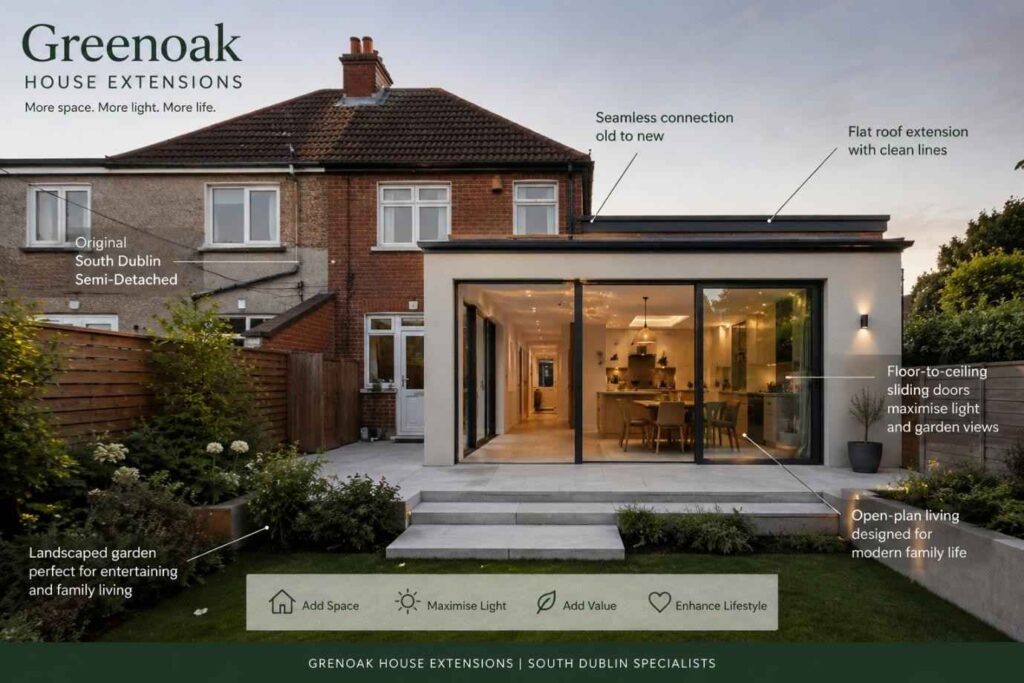
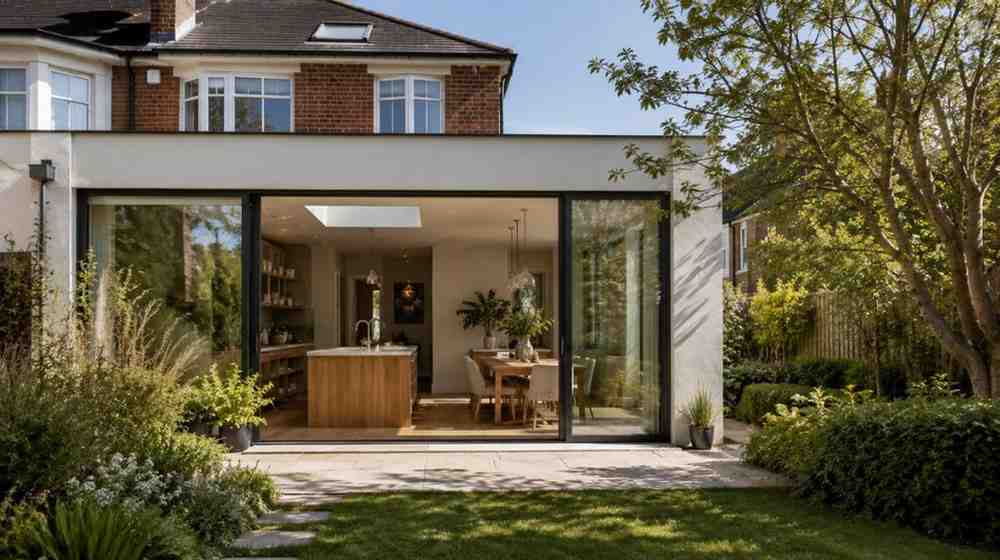
The transition between house and garden should feel considered rather than abrupt. Interior floor levels that align with paving outside create continuity, while carefully chosen planting softens the edge of glazing and allows the garden to become part of the room rather than something viewed beyond it. Existing brick walls, boundary planting and established trees can all contribute to the view from inside.
Perhaps most importantly, the extension should feel just as enjoyable on a grey January afternoon as it does on a sunny June evening. Good garden design isn’t seasonal; it becomes part of daily life throughout the year.
Materials Should Grow Older with the House
Older Dublin houses often have a quiet honesty about them. Brickwork carries decades of weathering, timber floors develop character through use, and plaster softens gently over time.
Successful extensions acknowledge that history without trying to imitate it.
Original brick can sit comfortably beside contemporary render, while oak joinery, natural stone or polished concrete introduce modern materials without overwhelming the character of the house. The aim isn’t to disguise where old meets new, but to allow the two to complement one another.
When materials are chosen thoughtfully, the extension feels like another chapter in the life of the house rather than a separate project attached to it.
Energy Efficiency Should Be Invisible
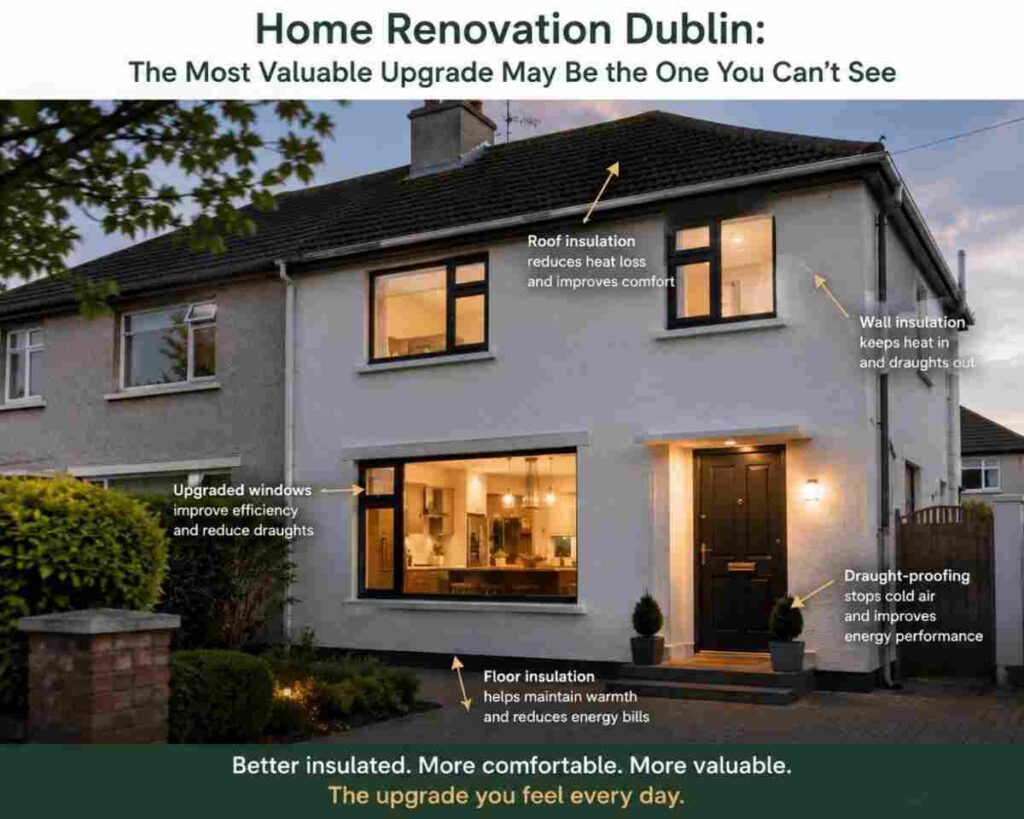
Few homeowners begin planning a renovation because they are excited about insulation or airtight construction, yet these are often the improvements they appreciate most once they have lived in the finished house.
A well-insulated extension feels consistently warm without constant adjustments to the heating. Cold spots disappear. Rooms become quieter. Temperatures remain more stable throughout the seasons.
An energy-efficient home renovation isn’t defined by technology alone. It is reflected in the everyday comfort of the people living there.
The best projects make those improvements almost invisible. They simply allow the house to feel warmer, calmer and more settled than it did before.
Smaller Extensions Often Feel Better
There is a temptation to assume that adding more floor area will always improve a home.
In practice, restraint often produces better architecture.
A slightly smaller extension with higher ceilings, carefully positioned glazing, excellent insulation and bespoke joinery can feel far more generous than a larger room where proportion has been overlooked. Sometimes the better investment is landscaping that extends the room visually into the garden, or thoughtful storage that makes everyday life easier, rather than another few square metres of floor space.
The success of a house extension is rarely determined by its size alone.
Across South Dublin, Homes Are Being Quietly Reimagined
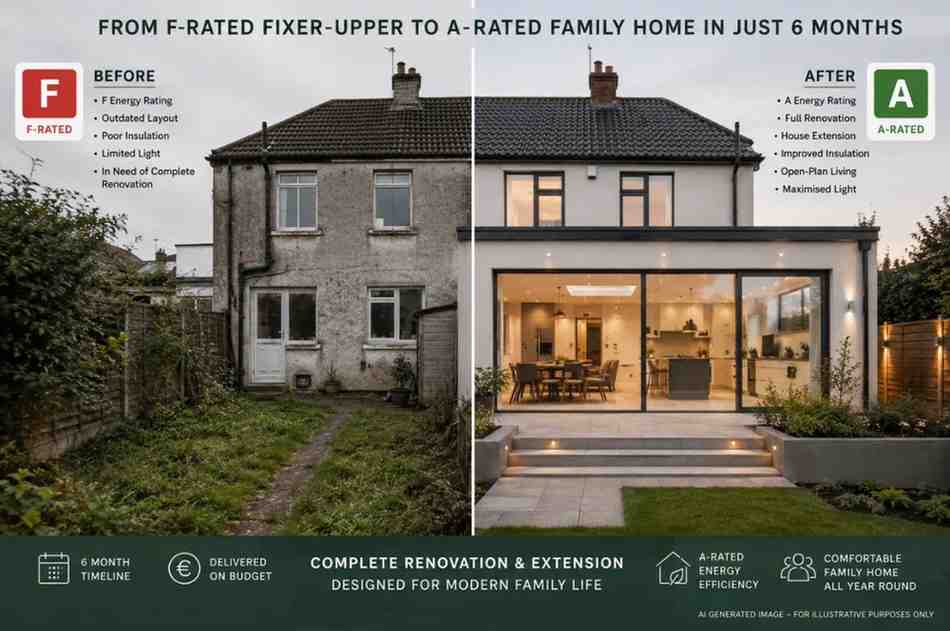
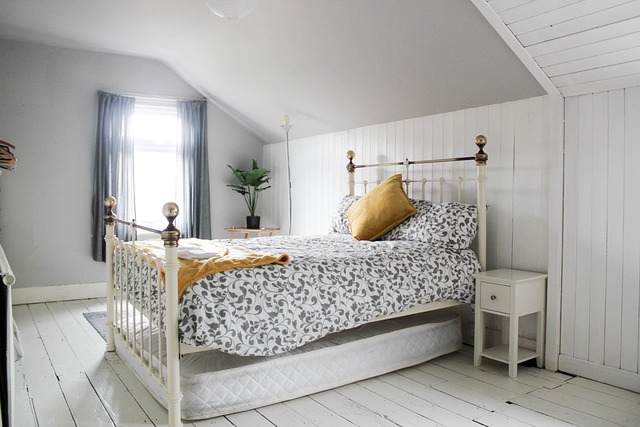
Across Rathfarnham, Knocklyon, Terenure and Churchtown, many older family homes are being adapted with remarkable sensitivity. Rear extensions sit comfortably alongside original brickwork, while Dormer Attic Conversions create additional bedrooms without sacrificing valuable garden space. Elsewhere, carefully designed Garden Rooms provide flexible accommodation that complements rather than competes with the main house.
Greenoak has become involved in many of these projects, from complete Home Renovations to kitchen extensions and structural reconfigurations. What connects them is not a particular style, but a consistent respect for the original building and an understanding that every design decision affects how the house will be lived in for years to come.
These are rarely dramatic interventions.
More often, they are thoughtful adjustments that allow older Dublin houses to continue serving modern family life with quiet confidence.
The Extensions People Remember
Ask homeowners what they remember most about a successful renovation and they rarely mention the dimensions of the extension.
They remember sitting at the kitchen table with morning light reaching further into the house than it ever did before. They remember looking through carefully framed glazing towards a favourite tree in the garden. They notice how old brick meets contemporary materials without feeling forced, and how the new rooms encourage them to use the rest of the house differently.
Those are the qualities that stay with people long after a project is finished.
For homeowners beginning to explore a House Extension Dublin, Planning Permission for House Extensions, or even the possibilities of Interior Design for House Extensions, it is worth looking beyond size alone. The quieter architectural decisions—how rooms connect, where light falls, how the garden is experienced and how the original house is respected—are often the ones that determine whether an extension feels as though it has always belonged.
If you are considering a house extension, renovation or attic conversion in Dublin, an early conversation can often clarify what is possible before the important decisions become fixed.